A global capability centre, or GCC, is an in-house centre that a company builds in India to do work for its parent group. For most of its history the model was about cost: finance processing, IT support, testing. The current industry data describes a different mix, in which many centres own products, platforms and outcomes.
This piece sets out what the published figures say, what they do not say, and what a board or CFO might reasonably check.
What the numbers show
The Zinnov-Nasscom India GCC Landscape Report 2026, with data collected through March 2026, counts 2,117 GCCs operating 3,728 units in India, employing about 2.36 million people, with market revenue of $98.4 billion in FY2026. It reports 32% growth since FY2021.
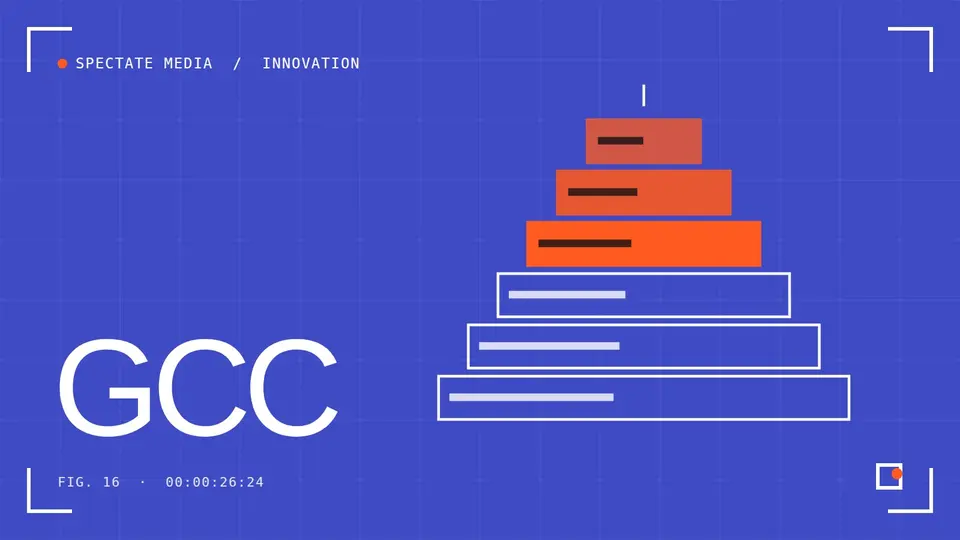
The report also sorts centres into four maturity stages. Its split is:
- Outpost (13%): delivery-focused work.
- Satellite (43%): capability at scale.
- Portfolio Hub (39%): end-to-end ownership, including product, platform and intellectual property.
- Transformation Hub (5%): AI-led operations.
Nasscom and Zinnov also say that 96% of GCCs set up after FY2021 began with a product or portfolio mandate, and that 64% of site leaders combine global functional ownership with responsibility for the Indian site. In the release, Nasscom's president is quoted saying centres are "increasingly taking ownership of global products, platforms, and business outcomes."
Two cautions apply. These are self-reported industry survey figures from the bodies that promote the sector, so treat them as a useful map, not an audit. And "ownership" is a stage in a framework, not a legal status. A centre classed as a Portfolio Hub may still depend on the parent for strategy and funding.
Why ownership changes the hiring brief
The following is a general pattern from how these mandates work, not measured data. A support centre hires to a job description. A product-owning centre hires to an outcome, and that changes the profile.
- Seniority moves up. Product managers, architects, data and security leads are needed on site, not only delivery staff.
- Decision rights matter to candidates. Senior people ask whether the roadmap is set in India or merely executed there.
- Leadership is dual. A site head who also owns a global function needs authority in both directions.
- The talent pool is shared. Senior product, data and AI people are sought by many employers at once, so pay bands and retention plans are worth benchmarking against current market data.
The same release says three-quarters of India's GCCs have the potential to evolve into Portfolio or Transformation Hubs over five years. That is a projection by the report's authors, not an outcome, and the hiring plan of any one centre should rest on its own mandate.
What it changes for the parent company
Moving work up the value chain also moves the risk profile. A centre that owns intellectual property raises questions that a back-office unit never did.
Ownership of code and IP created in India should be clear in the intercompany agreements. Transfer pricing needs a defensible functional analysis, because a centre that takes on product development and decision-making performs different functions and bears different risks from a routine service provider. Tax authorities look at exactly that. Key-person concentration, data protection and cross-border data flows also deserve a place on the risk register.
For a promoter-led Indian group that runs its own captive unit or is considering one, the same questions apply, with the added point that a captive team rarely stays a captive team once it owns something the business depends on.
What to do with this
These are considerations, not advice. Each depends on facts specific to the group.
- Classify honestly. Place each centre on a maturity ladder such as the one above, based on what it decides, not what it does.
- Match roles to mandate. If the plan is product ownership, check that the senior roles, budgets and decision rights exist on site.
- Review intercompany terms. Confirm IP ownership, service charges and transfer pricing documentation still fit the actual functions performed.
- Set measures beyond cost. Cost per head suits a support unit. A product unit needs outcome measures the board can read.
- Recheck the data. Industry figures are updated annually. As of September 2026 the FY2026 report is the latest one this piece draws on.
Advisers can help test these points against the group's own agreements and tax position. Nothing here is tax, legal or investment advice.
This article is journalism and commentary. It is not a recommendation to buy or sell any security, and it is not professional advice. Read the full disclaimer.